
Introduction
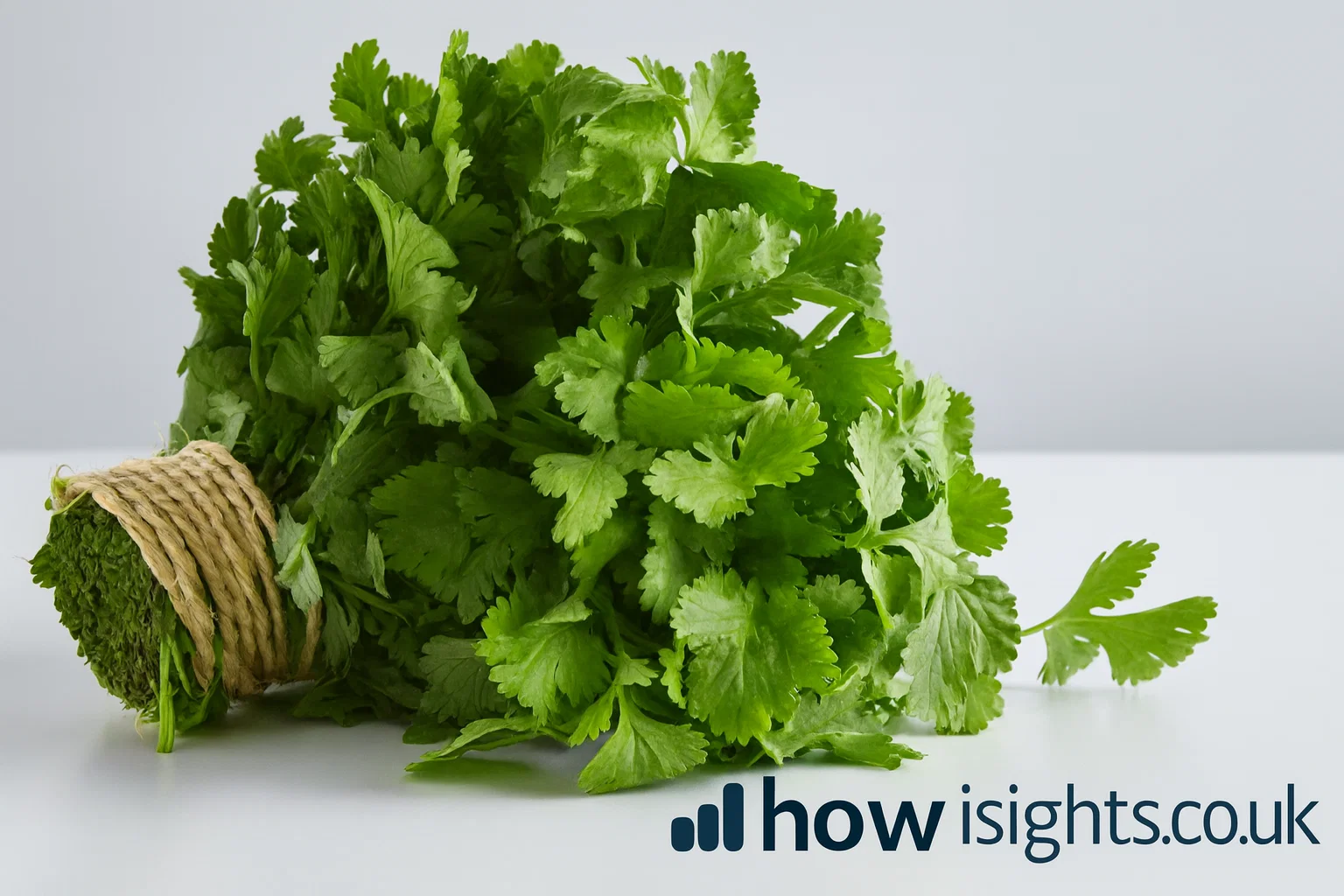
Koriandri, also known as coriander or cilantro, is one of the most versatile herbs in the world. Its fresh leaves and seeds have been used for centuries in traditional medicine, culinary dishes, and cultural rituals. Loved for its citrusy taste, warm and nutty flavor, and aromatic properties, Koriandri has become a staple in kitchens across the globe. From Indian curries and Mexican salsas to Southeast Asian pho, this herb enhances flavor while offering numerous health benefits.
Understanding Koriandri requires exploring its history, nutritional value, culinary versatility, and wellness properties. This guide provides an in-depth view of this timeless herb.
What Exactly Is Koriandri?
Koriandri belongs to the plant species Coriandrum sativum, commonly called dhania or Chinese parsley. Both its fresh leaves and seeds are widely used. The leaves are typically used as a garnish or in fresh sauces, while the seeds are roasted or ground to create spice mixes like garam masala and curry powder.
This herb is both a culinary herb and a seed spice, bridging the gap between leafy greens and aromatic flavorings. Its unique flavor profile, combining citrusy and warm notes, makes it essential for seasoning and meal enhancement.
Origins and Historical Significance
Koriandri has a long and rich history. It was used in ancient Egypt and Mesopotamia as both a food ingredient and a medicinal herb. Over centuries, it spread along spice routes to Mediterranean and European regions, becoming a culinary and cultural staple.
- Traditional medicine systems, including Ayurveda, recognized its digestive and immune-supporting properties.
- Koriandri’s antimicrobial properties were historically used for detoxification and home remedies.
- Its cultural significance extends to Latin American, Middle Eastern, and Southeast Asian cuisines.
Physical Appearance, Taste, and Aroma
Koriandri has two distinct forms: fresh leaves and coriander seeds.
- Leaves: Bright green, delicate, and feathery. Used in salads, chutneys, and as a garnish.
- Seeds: Small, round, and brown when dried. Roasting enhances their warm and nutty flavor.
The flavor profile varies based on the part used:
| Part Used | Flavor | Common Uses |
|---|---|---|
| Fresh leaves | Citrus, aromatic freshness | Salsa, guacamole, chutneys, soups |
| Seeds | Warm, nutty, slightly sweet | Spice blends, roasted vegetables, seasoning meats |
Koriandri’s aromatic herb qualities add depth to dishes while enhancing taste reactions and culinary versatility.
Nutritional Value and Health Benefits
Koriandri is a nutritional powerhouse, rich in:
- Vitamins: A, C, K
- Minerals: Iron, magnesium, potassium, calcium
- Antioxidants to fight oxidative stress
Health benefits include:
- Digestive support through digestive enzymes and gut health
- Immune support and natural defense enhancement
- Anti-inflammatory properties to manage inflammation
- Heart health and cholesterol management
- Detoxification as a natural chelating agent
Koriandri is used in herbal teas and smoothie ingredients to promote holistic wellness.
Culinary Uses Across the World
Koriandri is highly versatile in global cuisines:
- Indian cuisine: Curries, chutneys, and spice blends like garam masala
- Mexican dishes: Salsa, guacamole, and tacos
- Southeast Asian dishes: Thai curries, pho, and stir-fries
- Middle Eastern cuisine: Baharat spice mixes, salads, roasted meats
Other common uses:
- Fresh herb garnish in salads and dressings
- Ingredient in soups and stews
- Roasted seed spice for vegetable seasoning
- Infused oils and fresh sauces for flavor enhancement
How to Incorporate Koriandri into Your Diet
Koriandri can be used in multiple forms:
- Fresh leaves in salads, smoothies, and chutney bases
- Roasted seeds in spice mixes for hearty dishes
- Herbal teas for digestive and immune support
- Infused oils for cooking and seasoning
Tips for natural flavor pairing:
- Pair with tomatoes, lime, yogurt, and garlic
- Combine seeds with cumin, fennel, and pepper
- Use fresh leaves as a finishing garnish to preserve aromatic freshness
Growing Koriandri at Home
Growing Koriandri is straightforward and rewarding:
- Full sunlight planting promotes healthy plant growth
- Well-drained soil prevents root rot and supports leaf appearance
- Regular watering ensures leafy greens stay fresh
- Harvest fresh leaves and dry seeds at peak ripeness
Home gardening tips:
- Sow seeds every 2-3 weeks for continuous harvest
- Avoid overcrowding for proper airflow
- Companion plant with beans or carrots for best results
Leaf vs Seed Differentiation
Koriandri leaves and seeds serve different purposes:
- Leaves: Mild, citrusy, aromatic, used as fresh herb garnish
- Seeds: Strong, warm, nutty, used in spice mixes and roasted vegetables
Understanding herb vs spice distinctions helps optimize culinary use and plant-driven nutrition.
Traditional and Modern Uses
Koriandri has been valued in:
- Ayurvedic use for detox, digestion, and inflammation
- Traditional medicine as a home remedy for heavy metal removal and oxidative stress
- Modern wellness trends: Smoothies, herbal teas, and diet plans
Fun fact: Koriandri seeds were part of ancient spice routes connecting Europe, Asia, and the Middle East.
Culinary Pairing and Food Preparation
- Enhances flavor intensity in hearty dishes
- Pairs well with garlic, lemon, tomatoes, and chili
- Can be used fresh or dried depending on recipe requirements
- Versatile in soups, stews, salads, and sauces
Culinary Pairing Tips:
- Add fresh leaves at the end of cooking for maximum flavor
- Roast seeds lightly to enhance seed-based nutrition
- Combine with other health boosting herbs for wellness recipes
Koriandri in Global Cuisines
Koriandri’s cross-cultural flavors enrich dishes worldwide:
- Mediterranean cuisine: Salads and vegetable seasoning
- European uses: Soups, stews, and herbal sauces
- Latin American cuisine: Salsa, tacos, and guacamole
- Asian cuisines: Thai curries, Vietnamese pho, and Indian curries
Its culinary heritage demonstrates its cultural food identity.
Health-Boosting Applications
- Acts as a dietary fiber source
- Supports gut health and digestion
- Reduces oxidative stress through antioxidant richness
- Natural detox herb for holistic wellness
Koriandri can also be used in home remedies, teas, and smoothies to boost immunity and overall health.
Herb Cultivation and Gardening Tips
- Soil drainage is key for strong plant growth
- Provide full sunlight for vibrant leaves
- Use seeds for spice or leaves for fresh herb usage
- Maintain regular watering and trimming for continuous harvest
Herb garden ideas: Plant Koriandri with basil, mint, or parsley to enhance kitchen essential herbs diversity.
Fun Facts and Interesting Uses
- Koriandri leaves are also called Chinese parsley
- Seeds can be roasted or ground for spice mixes
- Herb used in ancient remedies for cholesterol management and blood sugar support
- Found in spice gardens and culinary traditions worldwide
Conclusion
Koriandri is a remarkable herb bridging culinary and medicinal worlds. Its nutritional value, health benefits, and culinary versatility make it a kitchen staple. From fresh leaves to coriander seeds, it enhances dishes, supports wellness, and carries historical and cultural significance. Whether incorporated in modern cooking, traditional medicine, or home gardening, Koriandri continues to be a timeless herb with global appeal.
FAQs About Koriandri
Q1: What is the difference between Koriandri and cilantro?
A1: They are essentially the same plant. “Cilantro” refers to the leaves, while “Koriandri” or coriander refers to the plant and seeds.
Q2: Can Koriandri help with digestion?
A2: Yes, its digestive enzymes aid gut health and support metabolism.
Q3: How can I grow Koriandri at home?
A3: Plant seeds in well-drained soil under full sunlight. Regular watering and pruning encourage leafy growth.
Q4: What are common culinary uses of Koriandri?
A4: It’s used in curries, salsas, salads, soups, stews, spice blends, and garnishes.
Q5: Is Koriandri beneficial for overall health?
A5: Absolutely. It supports immunity, detoxification, heart health, and provides antioxidant richness.
 Prime Star