
Introduction
Tarnplanen, also known as camouflage tarpaulins or camo tarps, are essential tools for outdoor enthusiasts, hunters, and military personnel. These weatherproof covers serve as shelter covers, emergency shelters, and gear protection solutions. Whether you are setting up a survival shelter in the wilderness or need concealment for tactical operations, Tarnplanen offers durability and versatility. With advanced camouflage patterns, military-grade materials, and adaptive designs, Tarnplanen has become an essential part of bushcraft gear and field operations.
History and Evolution of Tarnplanen
Tarnplanen originated as simple fabric covers used by military forces to conceal equipment and personnel. Over time, the designs evolved to include multi-terrain camouflage, infrared concealment, and thermal masking capabilities. The development of military-grade materials, such as ripstop nylon, ripstop polyester, PVC-coated fabric, and PU-coated fabric, increased durability and weather resistance. Today, Tarnplanen is widely used not only in military operations but also in outdoor adventures, wildlife photography, and civilian applications.
What Is Tarnplanen?
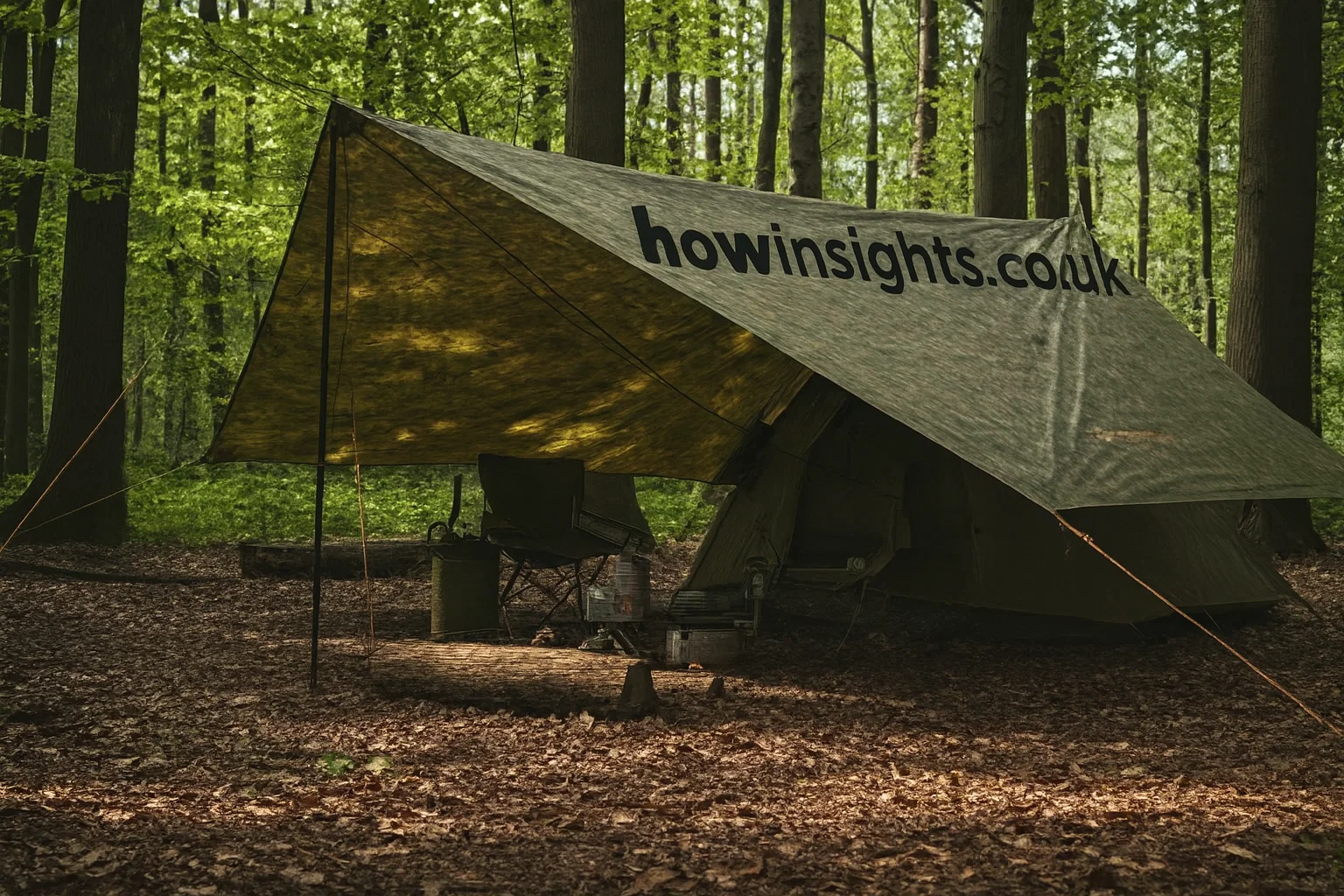
Tarnplanen refers to specialized camouflage tarpaulins designed to blend into natural environments. These low-visibility tarps help break up visual outlines, conceal field equipment, and protect gear from rain, wind, and UV exposure. They are often reinforced with grommets and UV-resistant coatings to increase longevity.
Materials and Construction
The construction of Tarnplanen plays a crucial role in its effectiveness:
- Ripstop Nylon or Polyester: Lightweight, tear-resistant material for easy portability.
- Cotton-Blend or Canvas: Heavier, durable option for long-term use.
- PVC or PU Coatings: Offer waterproofing and UV protection.
- Reinforced Grommets: Facilitate secure tie-downs and setup.
| Material | Feature | Best Use |
|---|---|---|
| Ripstop Nylon | Tear-resistant, lightweight | Backpacking, hunting |
| PVC-Coated Canvas | Heavy-duty, waterproof | Emergency shelters, construction cover |
| PU-Coated Polyester | UV resistant, portable | Tactical operations, bushcraft |
Tarnplanen provides a rugged outdoor tapestry that can withstand extreme weather and terrain conditions.
The Science Behind Tarnplanen’s Effectiveness
Tarnplanen uses camouflage technology to hide equipment and personnel effectively. Its design breaks up visual outlines, allowing users to blend into natural environments. Multi-terrain camouflage patterns like woodland, desert, urban, and digital camouflage disrupt the human eye and infrared sensors. Advanced designs also employ adaptive camouflage and multispectral camouflage for field operations. This makes them effective for both military use and civilian survival scenarios.
Primary Uses and Applications
Military and Tactical Use
Tarnplanen is widely used in tactical operations and field deployments. It acts as:
- Concealment equipment for soldiers
- Tactical tarpaulin for shelter setups
- Low-visibility cover for surveillance or equipment
Outdoor and Survival Use
Outdoor enthusiasts use Tarnplanen as:
- Portable outdoor shelters
- Camping ground sheet covers
- Wildlife observation hides
- Hunting blind covers
Civilian and Commercial Use
- Emergency response tarp
- Temporary roofing solution
- Construction site cover
- Modular outdoor setups for DIY projects
Bullet Points – Key Features for All Users:
Benefits of Using Tarnplanen
Tarnplanen offers multiple advantages for different scenarios:
- Gear Protection: Protects equipment from weather damage.
- Concealment Tactics: Effective camouflage for both human and equipment safety.
- Versatility: Can be used for survival shelter setup, hunting, and tactical operations.
- Portability: Lightweight designs make them easy to carry.
- Durability: Materials like ripstop nylon and PU-coated fabrics ensure long-term use.
Choosing the Right Tarnplanen
Selecting the right Tarnplanen depends on the environment and intended use.
- Size & Shape: Larger tarps provide more coverage; smaller tarps are portable.
- Material: Heavy-duty canvas for durability, ripstop nylon for light travel.
- Camouflage Pattern: Match with woodland, desert, urban, or digital terrain.
- Purpose: Emergency shelter, hunting, military operations, or outdoor recreation.
How to Use Tarnplanen Effectively
Proper usage enhances Tarnplanen’s effectiveness.
- Setup Tips: Use reinforced tie-down points and ropes for secure deployment.
- Maintenance: Clean after use to prevent mold and UV damage.
- Storage: Roll or fold and keep in a dry location.
- Field Deployment Methods: Modular setups for quick shelters or ground cover.
Comparison with Traditional Camouflage Techniques
Unlike traditional camouflage netting or fabrics, Tarnplanen:
- Provides weatherproof and waterproof coverage
- Is versatile for multiple terrains and situations
- Offers portable outdoor shelter solutions
- Can be adapted for both civilian and military tactical use
Challenges and Limitations
Despite its advantages, Tarnplanen has limitations:
- Heavier options may be less portable
- Some patterns are less effective in mixed terrain
- Long-term exposure to extreme UV can degrade material
- Requires careful deployment to maximize camouflage effectiveness
Modern Developments and Innovations
New developments in Tarnplanen include:
- Adaptive terrain cover for dynamic environments
- Infrared concealment and thermal masking
- Multi-terrain camouflage and multispectral technology
- Eco-friendly and sustainable materials for civilian use
- Camouflage design science improving silhouette disruption
Tarnplanen in Everyday Civil Use
Civilian applications are growing as outdoor enthusiasts discover its versatility:
- Camping and bushcraft gear setups
- Emergency response tarp for flood or storm protection
- Scene backdrop for film and photography
- Overlanding equipment and expedition checklist items
Tarnplanen allows outdoor adventurers to combine camouflage and survival synergy effectively.
Practical Tips and Best Practices
- Deploy quickly in the field for effective concealment
- Use camouflage techniques to match natural terrain
- Combine with other survival equipment for emergency preparedness
- Maintain and clean regularly for long-lasting performance
- Use reinforced tie-down points to withstand wind and rain
Conclusion
Tarnplanen is a versatile and essential piece of outdoor and tactical gear. Its blend of camouflage technology, durable materials, and multi-terrain adaptability makes it suitable for military, civilian, and survival applications. By understanding its materials, patterns, and deployment techniques, users can maximize effectiveness while protecting gear from environmental damage. Whether for hunting, camping, or tactical operations, Tarnplanen remains a reliable choice for concealment, shelter, and protection in any outdoor scenario.
FAQs
1. What is Tarnplanen used for?
Tarnplanen is used for camouflage, shelter, gear protection, hunting blinds, and survival setups. It blends into natural environments effectively.
2. What materials are best for Tarnplanen?
Ripstop nylon, ripstop polyester, canvas, and PVC/PU-coated fabrics provide durability, waterproofing, and UV resistance.
3. Can civilians use Tarnplanen?
Yes. Civilian uses include camping, bushcraft, wildlife observation, emergency shelters, and photography setups.
4. How do I maintain Tarnplanen?
Clean it after use, dry completely, fold or roll for storage, and avoid long-term UV exposure to maintain material integrity.
5. Are all Tarnplanen patterns effective in any terrain?
Effectiveness depends on the pattern. Woodland, desert, urban, and digital camouflage should be chosen according to the environment.
 Prime Star